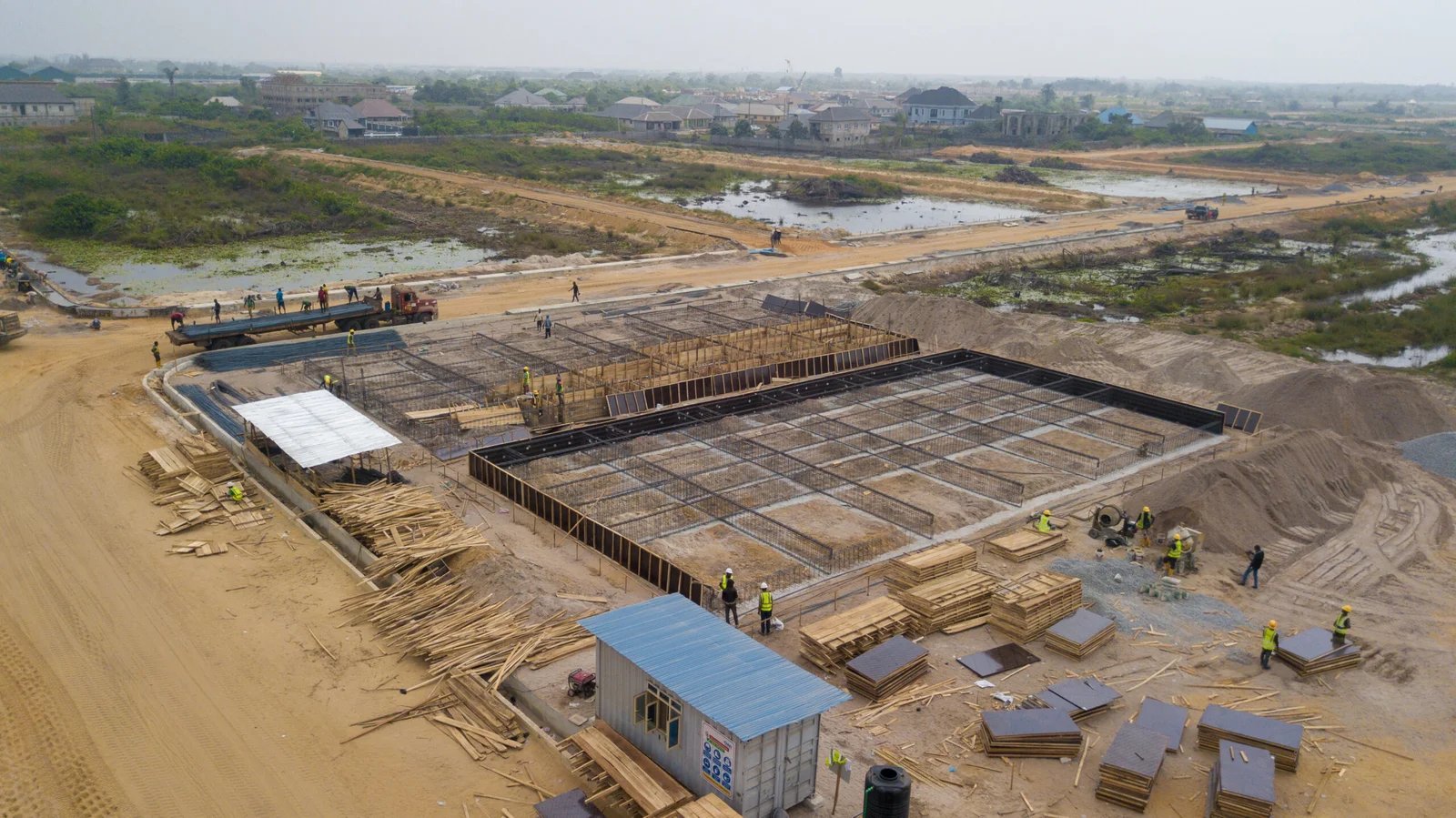
I remember a particular half-finished flyover on a busy road. For years, it stood there, a concrete skeleton against the sky. When they first broke ground, there was a sense of hope, a shared belief that this piece of engineering would untangle the permanent knot of traffic below. But then the work slowed, the crew disappeared, and the rust started to creep in. It became a monument to a broken promise, a physical scar representing the huge gap between a grand vision and the difficult reality of getting things done.
That teaches you something a PowerPoint presentation never will. Big ideas are easy, cheap even. Execution is everything. This hard lesson applies to more than just concrete and steel; it applies to any serious attempt to build something that lasts. The world is full of half-finished flyovers, in our companies, in our careers, in our societies. They exist because someone jumped to the building part without first doing the boring, essential work of asking the right questions.
The Framework: A Conscience for Builders
In our world of celebrating disruption, the pressure is always to “move fast and break things”. That might work for a mobile app. It is a catastrophic approach for a power plant, a new hospital, or anything with real capital and real lives on the line. For serious projects, a different mindset is required, one of discipline, patience, and brutal honesty.
That’s what this framework is about. These five questions, these five lenses, give sponsors and their teams a way to test if a project actually has integrity. This is the hard discipline that separates a serious builder from a mere dreamer. It forces you to see the project for what it is, not what you hope it will be.
Lens 1: Who Are You, and What Are You Actually Building?
Every project that falls apart usually suffers from a weak identity. To the bankers, it’s a secure asset. To the engineers, it’s a construction job. To the state government, it’s a political win. When everyone has a different story, who is telling the truth?
A project, like a person, needs a single, coherent identity to be trustworthy. Think of someone who tries to be all things to all people; that person is understood to be unreliable, and so is a project without a core definition. Who is the definitive sponsor? What exactly is being built, and just as important, what is not being built? There must be one consistent story, one single source of truth captured in the project brief, corporate authorisations, and a clear statement of scope. If your project shapeshifts depending on the audience, it fundamentally has no center. It will fail.
Lens 2: Whose Permission Do You Need?
A project is never built in a vacuum. It sits on land owned by someone, connects to networks controlled by others, and must obey laws written by a government you cannot command. Getting approval is a journey through a complex landscape of power and bureaucracy.
A pending permit is a gate, and someone else holds the key. Who are these people? What do they want? A project can be brought to its knees by one overlooked agency or one angry local chief whose ancestral land was not shown the proper respect. As the Global Infrastructure Hub rightly emphasizes, issues of land access, environmental clearance, and community consent should be settled well before you even think about hiring a contractor. To begin work while these issues are pending is an act of foolish optimism. A contract cannot fix a fatal flaw baked into the project's foundation.
Lens 3: Show Me the Money (And Make It Make Sense)
A financial model is a story told with numbers. Our job is to figure out if that story is fiction or non-fiction. Too many models are elegant fantasies, built on assumptions that crumble the moment you breathe on them.
You have to get really basic here. Forget the discounted cash flows for a minute and ask the simple questions. Who pays? Do they have a legal obligation to pay? What is the evidence that they can pay? And most importantly, what happens if they stop paying? These simple questions reveal the strength or weakness of the project’s entire commercial logic.
Consider the classic Lagos problem: a project with its revenues in Naira but its heavy debts in US Dollars. That isn’t just a number in a spreadsheet; it’s a huge, open-ended risk. Without a credible plan for currency protection or tariff adjustments, a small shuffle in the foreign exchange market can blow up the entire capital structure. The project may still be good for society. Its financial story, however, requires a complete rewrite.
Lens 4: Who Carries the Weight When It All Goes Wrong?
A solid contract is like a pre-nuptial agreement. It spends most of its time planning for the divorce. It forces a difficult conversation when everyone is still friends about what will happen when things inevitably go wrong. That’s the point of risk allocation.
The old wisdom from the World Bank is that a risk should be allocated to the party best able to manage it. This simple phrase is profound. It means you must allocate risk based on capacity, not just convenience. A clause is only as credible as the entity that has to honor it. You cannot ask a contractor to absorb the entire financial risk of a government’s failure to grant an approval. They have no power to influence the outcome, so forcing their signature on that line is meaningless. It is a fake solution. When the problem arrives, the contract will be set aside for a desperate negotiation.
Lens 5: Can Your Story Be Proven?
Finally, can you prove anything you have just claimed? Without a clean, disciplined paper trail, the project’s entire history is oral tradition. It lives in people’s memories and email inboxes. Memories fade. People leave. Truth becomes opinion.
A clear governance trail is the project's institutional memory. From the first board decision to the latest variation instruction, the written record is what protects everyone. It allows you to prove your position, trace a decision back to its source, and defend against unfair claims. It’s what transforms a claim into a fact. A beautiful PowerPoint slide might show an eighteen month completion date. The hard evidence in the approvals register and the funding documents may show the real, longer timeline is three years at minimum. The evidence trail forces you to reconcile the persuasive graphic with the sober truth. This audit trail is what keeps a project honest.
Building Things That Last
Looking through these five lenses doesn’t guarantee success. What it does guarantee is honesty. It gives a sponsor a brutal, early gut check with reality before a reputation, or a billion Naira, is on the line.
The process forces a confrontation with the truth. Many projects should fail this test. A good readiness process kills weak ideas, forces the restructuring of flawed ones, and gives the green light only to those with genuine integrity. It brings us back to the half-finished flyover, a daily reminder of what happens when we skip the boring work. To build responsibly is a sacred trust.
Let's begin to treat it that way.